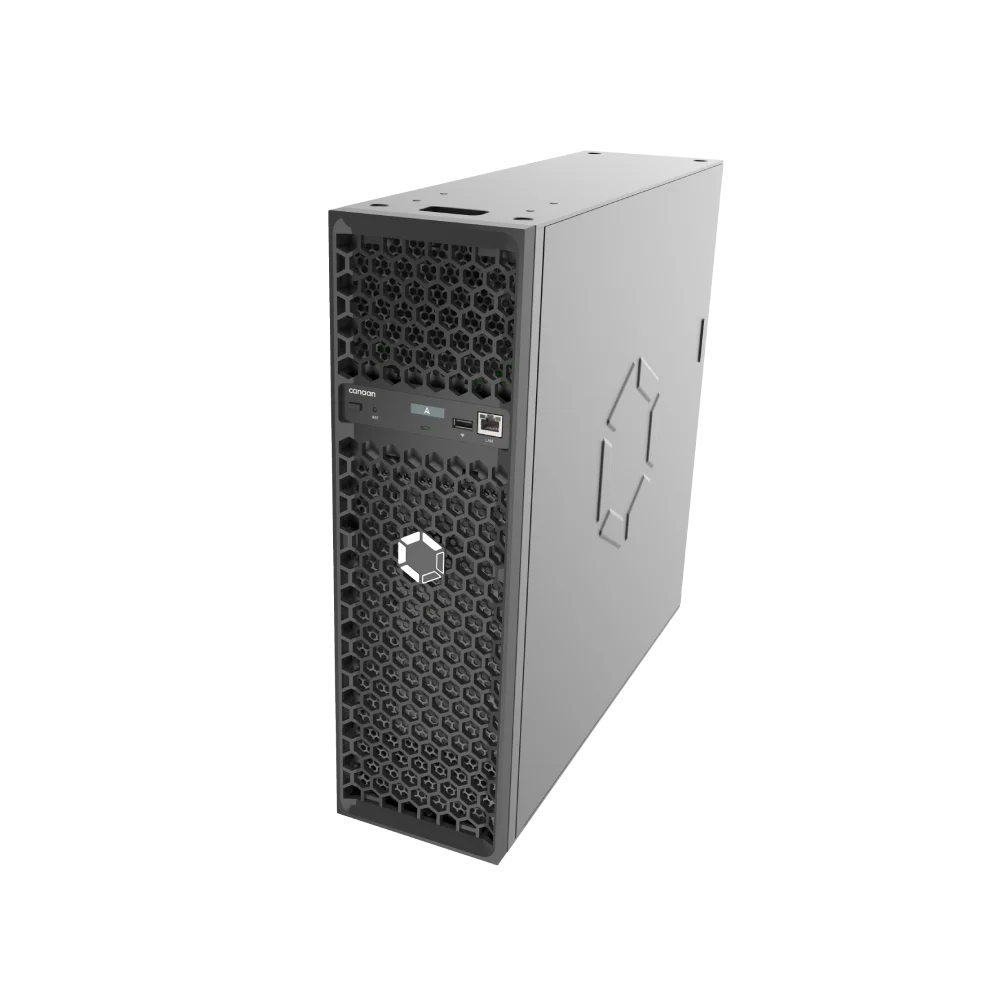
When people think about passive income or long-term cash-flow investments, real estate is usually the default answer. Buying a home, renting it out, and collecting monthly income feels tangible and proven. But in a digital-first economy, ASIC miners are emerging as a modern alternative to traditional rental properties.
To put this comparison into perspective, the average U.S. home costs around $512,000 (as of Q2 2025). For that same capital, an investor could purchase approximately 269 Avalon Q ASIC miners. From there, the similarities, and differences, become very clear.
1. Entry Cost & Flexibility
Every investment starts with how easy it is to enter and how flexible it remains over time. The way capital is deployed at the beginning can dramatically affect risk, scalability, and future options.
Real Estate
Buying a home is an all-or-nothing decision. Once you sign the contract, your capital is locked into a single asset, often for decades.
- You can’t buy “$10,000 worth” of a house
- Large upfront capital or a long-term mortgage is required
- Mortgage interest increases total cost
- Contracts and closing processes reduce flexibility

ASICs
ASICs allow investors to scale gradually instead of committing everything at once. This modular approach makes capital deployment far more dynamic.
- You can start with $10k, $50k, or scale upward
- No long-term contracts
- Capital can be deployed over time
- Easier to adjust strategy as conditions change

2. Maintenance & Ongoing Responsibilities
Maintenance is where theory meets reality. Cash-flow investments look great on spreadsheets, but ongoing responsibility often determines how “passive” an investment truly is.
Real Estate
Homes require constant attention and carry human risk. Even well-maintained properties can quickly become time-consuming liabilities.
- Plumbing and electrical failures
- Roof damage and structural wear
- Non-paying tenants or squatters
- Vandalism and burglary
- Property taxes and insurance never stop
Even with a property manager, problems don’t disappear, they just arrive with invoices.

ASICs
ASICs are mechanical and predictable. While they do require infrastructure, their needs are far more consistent and easier to plan for.
- Require power and cooling
- Limited moving parts
- Hardware failures are expected and manageable
- Manufacturer warranties typically cover early failures
At scale, ASICs are best hosted in data centers, which provide:
- Stable power
- Professional cooling
- Fire suppression
- Minimal downtime
Unlike homes, you don’t maintain the building, just the machines.

3. Cash Flow & ROI Potential
Returns are the heart of any investment comparison. While real estate focuses on stability, ASICs introduce a broader range of outcomes, both positive and negative.
Rental Home Economics
A $512,000 home typically rents for:
- $2,500–$5,000 per month (gross)
- Before taxes, insurance, vacancies, and repairs
While steady, the upside is limited and heavily dependent on local market conditions.

ASIC Economics
With 269 Avalon Qs:
Electricity costs
- ~$186 per unit/month at $0.10/kWh
- ~$50,000/month total
Mining strategies
Solo Mining. Click here to learn more about this type of mining!
- ~1 in 10 chance per month to mine 3 BTC
- ~$277,000 at ~$92k/BTC
- High risk, high variance, high upside
Pool Mining
- ~0.43 BTC/month
- ~$39,000/month revenue
- Net negative at $0.10/kWh(-11k), but profitable with cheaper power
ASIC profitability is highly sensitive to:
- Power cost
- Network difficulty
- Bitcoin price
But unlike rent, the upside is not capped.

4. Risk: Tenants vs Machines
Risk isn’t just financial, it’s operational and emotional. The type of problems you face matters as much as how often they occur.
Real Estate Risks
- Evictions that take months
- Legal disputes
- Expensive repairs
- Human unpredictability
ASIC Risks
- Hardware degradation
- Network difficulty increases
- Market volatility
Machines don’t argue, refuse to leave, or intentionally damage your asset. When something fails, it’s diagnosed, repaired, or replaced.
5. Liquidity & Exit Strategy
An often-overlooked factor is how easily you can exit an investment when conditions change.
Real Estate
- Can take months to sell
- High transaction fees
- Market timing matters

ASICs
- Can be sold globally
- Can be powered down instantly (no more power consumed)
- Can be relocated or upgraded
- Much faster exit options
Liquidity provides flexibility, and flexibility reduces risk.

Final Thoughts
Real estate remains a respected and proven investment. It’s slow, familiar, and relatively stable. ASIC mining, by contrast, is fast-moving, infrastructure-driven, and often misunderstood.
Rental homes offer:
- Stability
- Predictable income
- Lower volatility
ASICs offer:
- Scalability
- Asymmetric upside
- Fewer human variables
- Infrastructure-style returns
Neither strategy is perfect, but in a digital economy, owning machines that generate value 24/7 may be the modern equivalent of owning rental property.
And when things go wrong, you can always turn the machines off.