If you’ve been around crypto for any amount of time, you’ve probably asked yourself this question:
Should I mine crypto, or should I just buy the token and hold it?
There’s no universal answer. Both approaches have clear advantages and real downsides. The right choice depends on your goals, risk tolerance, available capital, and how involved you want to be.
In this article, we’ll break down the pros and cons of buying a crypto token outright versus earning it through mining or hardware, using Helium (HNT) and similar projects as practical examples. By the end, you should be able to decide what works best for you.
First, What Are We Actually Comparing?
Let’s clarify the two paths:
Buying the Token
You purchase a cryptocurrency (like HNT, BTC, etc.) on an exchange and hold it in your wallet. Your gains or losses depend entirely on price movement, unless you stake or lend it.
Mining or Earning With Hardware
You buy hardware, hotspots, ASICs, or other devices, that generates tokens over time by contributing to a network. This usually involves upfront hardware costs, electricity, maintenance, and sometimes installation work.
Both paths expose you to the same asset, but in very different ways.

Do You Want to Install or Maintain Hardware?
This is one of the biggest deciding factors.
Mining / Hardware Route
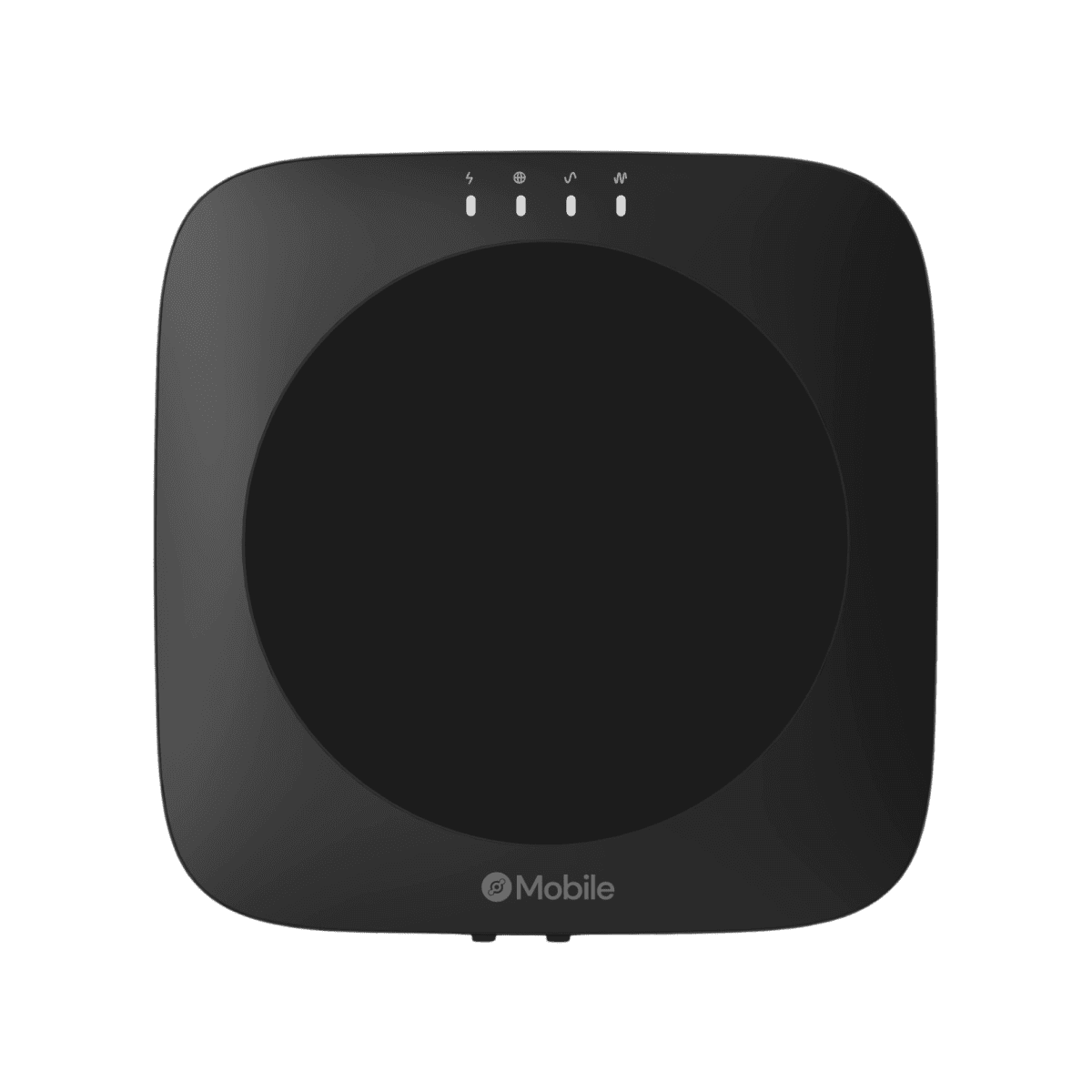
Using Helium as an example, earning HNT typically requires installing a hotspot in a good location, often a busy area with strong coverage. That can mean:
- Finding a suitable location
- Installing antennas or equipment
- Maintaining uptime
- Troubleshooting issues

Not everyone wants to deal with that. Even with simpler hardware like ASIC miners, you’re still managing:
- Power draw
- Heat and noise
- Hardware failures over time

Buying the Token
If you don’t want to install anything, not even something plugged in at home, buying the token is the simplest route.
There’s also a financial angle here:
Instead of spending hundreds or thousands of dollars on hardware, you can put that same capital directly into buying the token itself.
The downside?
Your tokens don’t generate more tokens unless you stake them, and staking usually comes with lower, slower returns compared to active mining, when mining is profitable.

Do You Want to Scale?
Scaling is another major difference between these two approaches.
Scaling With Hardware Is Hard
Hardware-based earnings don’t scale easily:
- Helium hotspots require new physical locations
- You quickly run out of good placement options
- ASIC mining eventually hits electrical limits at home
To scale further, you often need:
- Commercial locations
- Data centers or mining farms
- More capital and operational complexity

Buying Tokens Scales Instantly
Buying tokens scales perfectly.
- No hardware limits
- No electricity constraints
- No maintenance
- No failures
Your wallet balance can grow instantly with a single transaction. If you want exposure without operational headaches, buying tokens wins here.
How Much Risk and Effort Are You Willing to Take?
Let’s talk about returns, and risk.
Mining: Slower, More Predictable (Sometimes)
Using public Helium data as an example, a hotspot might earn around 1 HNT per day, roughly $1.50/day (depending on price and conditions).
With mining:
- You earn steadily over time
- You can potentially sell the hardware later
- You can add more devices to increase output
But if earnings drop or the setup underperforms, your capital is locked in hardware.
Buying the Token: Faster, More Volatile
When you buy a token outright:
- Your gains rely purely on price movement
- There’s no daily income
- There’s no hardware to resell
If the price drops, the only way out is selling, sometimes at a loss. That’s the reality many investors face during bear markets.
Mining gives you something coming in every day. Buying gives you liquidity and flexibility.
Network Changes and Project Risk
This is an important point that often gets overlooked.
ASIC Mining: Stable Rules
Bitcoin ASIC mining is relatively stable. Bitcoin doesn’t suddenly change its rules in ways that make ASICs useless overnight. Difficulty adjusts, but the system is predictable.

DePIN Projects: Higher Risk
DePIN projects like Helium, Wayru, and others are different.
You’re betting on:
- The project leadership
- Long-term incentive structures
- Promises about rewards
- And sometimes, those promises change.
Projects pivot. Tokenomics change. Hardware becomes obsolete.
A real example:
In December 2025, Wayru changed its model, leaving custom hardware owners with devices that no longer earned tokens. The hardware still exists, but the rewards are gone.

Would buying the token have been safer?
Not necessarily. When a project collapses, the token often loses most of its value anyway. The difference is that hardware might retain resale value, though that’s never guaranteed.
So… Which One Is Better?
The honest answer: it depends on you.
Mining Might Be Better If:
- You like hands-on setups
- You want steady daily rewards
- You believe in the network long-term
- You’re okay with hardware risk and maintenance
Buying Tokens Might Be Better If:
- You want simplicity
- You don’t want hardware or installation work
- You want instant scalability
- You prefer liquidity over operational involvement
Both strategies carry risk. Both can work. Both can fail.
The best choice isn’t about what others are doing, it’s about how involved you want to be, how much risk you can tolerate, and how much time you want to spend managing your investment.
In crypto, the “best” strategy is the one you can stick with long-term.