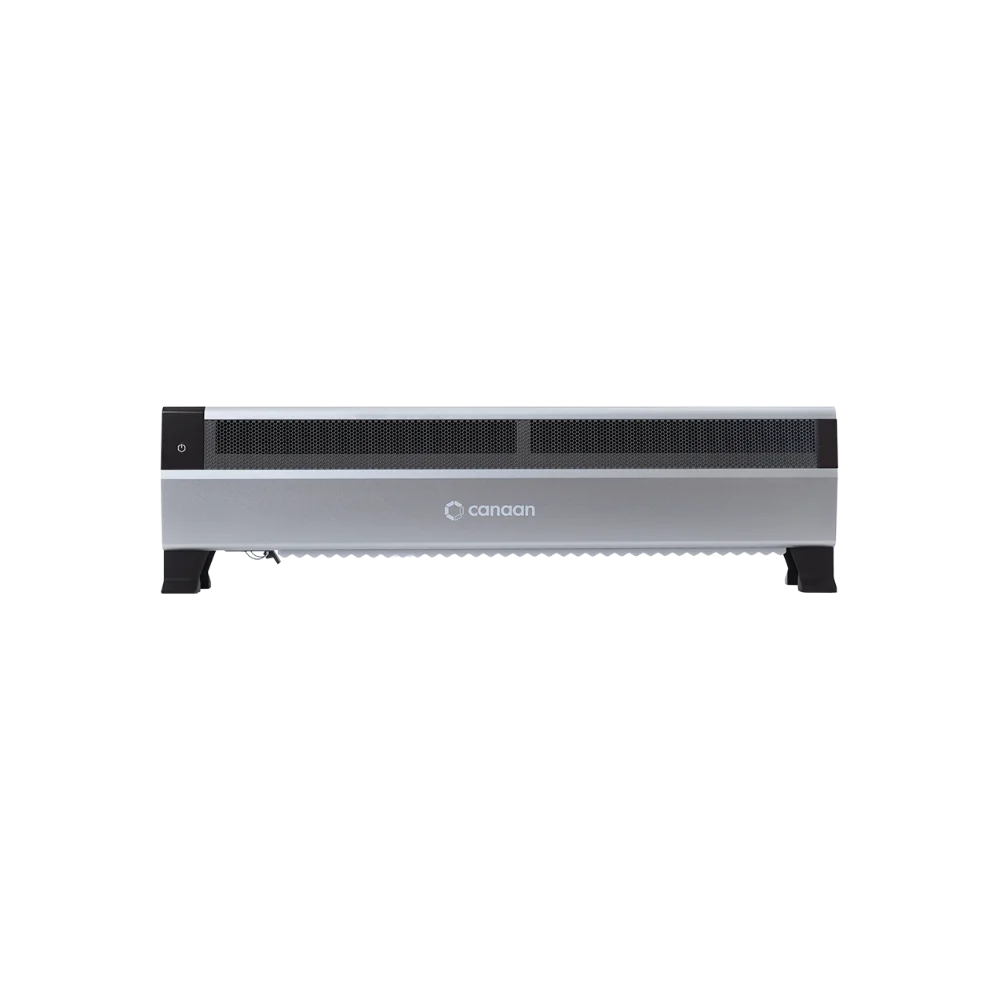
This guide will explain why certain locations inside and around a home are the top places people choose to run ASIC miners during winter, and why these spots make the most sense from both a practical and psychological standpoint.
A lot of people think ASIC mining at home is crazy because of heat, noise, and power draw. Winter flips the entire equation. Suddenly, heat is not a problem, it’s the reason people even consider doing it.
The key idea to understand is this:
In winter, an ASIC miner stops being “extra heat” and starts becoming a paid heater.
Once people realize that, the location choice becomes very logical.
Garage
The garage is by far the most common place people choose, and for good reason.
Garages are cold in the winter, sometimes just above freezing. ASIC miners actually perform better in colder ambient temperatures. Fans don’t have to work as hard, components stay cooler, and efficiency improves. This alone makes the garage appealing.
Another big reason is frozen pipes. Many garages have water lines running through walls or ceilings. Letting a garage drop to freezing temps can cause expensive damage. Running an ASIC adds consistent heat, which helps prevent pipes from freezing, while also keeping vehicles, tools, and stored items from getting too cold.
Noise is also a factor. While home ASICs are not exactly "silent" and produce some noise. Garages naturally isolate sound from living areas, so people don’t feel like they are living next to a jet engine. The noise feels acceptable because it’s “where noisy stuff already lives.”
Garages also usually have:
- Easy access to electrical panels
- Space for airflow and ventilation
- Exterior walls for exhaust routing
Most importantly, the garage feels normal. People already put heaters, air compressors, and power tools there. Adding an ASIC doesn’t feel risky or strange, which lowers the mental barrier to getting started.
 Image Source
Unfinished Basement
The unfinished basement is another top choice, especially in colder climates.
Basements are naturally cool year-round, and in winter they can be very cold. This gives ASICs excellent intake air. At the same time, heat rises. That means the waste heat from the miner helps warm the floors above, which reduces heating demand for the rest of the house.
Many basements are already home to:
- Electrical panels
- Network equipment
- Routers and modems
That makes setup easier and cleaner.
Noise is also more acceptable in an unfinished basement than in living rooms or bedrooms. People expect basements to have hums, fans, and mechanical sounds. The miner can also double as a basement heater, making the space more usable during winter months.
To many homeowners, the basement feels like “free real estate” that is already cold and underutilized.
 Image Source
Mudroom / Entry Utility Space
This is a less obvious choice, but once you think about it, it makes a lot of sense.
Mudrooms and entry utility spaces act as a buffer between the outdoors and the rest of the home/office. They are usually colder than interior rooms and are designed to handle temperature swings.
Running an ASIC here helps:
- Dry boots, jackets, and winter gear
- Keep the space comfortable instead of freezing
- Capture cold intake air from outside doors
These rooms often have easy access to exterior walls, which makes exhausting hot air outdoors simple. They are also frequently underused, making them ideal for a single miner setup.
Because mudrooms already feel “utility-focused,” people don’t feel like they’re ruining a living space by placing equipment there.

Greenhouse (Winter Use)
This is one of the most efficient uses of ASIC heat, but it’s more niche.
In winter, greenhouses struggle to stay warm overnight. That’s where ASICs shine. The heat output can maintain plant-safe temperatures when the sun is down, essentially replacing or supplementing traditional heaters.
For growers, the logic is very clear:
- You already pay to heat the greenhouse
- An ASIC produces heat anyway
- The miner offsets heating costs while earning revenue
This is one of the few setups where waste heat is almost perfectly reused. The main challenge is humidity control. ASICs don’t like moisture, so airflow and dehumidification must be handled properly.
Still, for people already operating greenhouses, the ROI logic is very compelling.

Image Source
Crawl Space (Conditioned)
Conditioned crawl spaces are another smart winter location.
These areas are critical to keeping a home protected from freezing. Pipes, subfloors, and insulation all suffer if temperatures drop too low. Running an ASIC here adds steady heat that helps prevent costly damage.
Crawl spaces also offer:
- Cold intake air
- Complete noise isolation
- Zero impact on daily living areas
The main requirement is proper airflow planning. You can’t just dump heat into a crawl space without thinking about ventilation. But for people in cold regions, this setup is very attractive because it solves a real problem while staying completely out of sight.

Barn / Workshop
For rural setups, barns and workshops are near-perfect locations.
These structures usually have:
- Tons of airflow
- Higher power availability
- No concern about noise
In winter, tools, equipment, and even livestock areas benefit from added warmth. An ASIC helps keep temperatures above freezing while operating in an environment that already feels industrial.
The justification here is very strong. Nobody questions a loud, heat-producing machine in a barn or workshop. It fits naturally into the space.

Shed (Insulated or Partially Insulated)
Sheds are extremely popular for winter ASIC setups.
Cold outdoor air provides excellent intake temperatures. At the same time, the miner’s heat prevents stored items from freezing and keeps the shed usable during winter months.
Sheds are also easy to modify:
- Exhaust heat upward
- Add simple ducting
- Isolate noise completely from the house
This setup is especially common in suburban and rural areas where people already have power run to a shed. The mental model is simple: instead of adding a space heater, you add a miner.
 Image Source
On your Desk at home or Work
Another great place to put a miner in winter is right next to your desk—especially if you’re running a compact unit like the Canaan Avalon Nano 3S. This Bitcoin ASIC miner is designed with a small form factor (about 20.5 × 11.5 × 5.8 cm) and low noise output, making it unobtrusive for home or office use.
While you work, the Nano 3S quietly mines Bitcoin at up to 6 TH/s and draws around 140 W of power, which means it also generates a noticeable amount of useful heat without being overwhelmingly loud or bulky.
Placing it near your workspace lets you warm your immediate environment with heat that would otherwise go to waste—and since it’s compact and air-cooled, it won’t interfere with your daily routine.

Final Thoughts
All of these locations share one thing in common:
They are places people already pay to heat or worry about freezing.
In winter, ASIC mining stops being about dealing with excess heat and starts being about capturing value from heat you already need. That’s why these locations consistently rise to the top. You are going to turn your heaters on regardless, why not get paid for it?